Water Line Repair in Northglenn, CO
The main water line is the single pipe that feeds your whole house, running underground from the street connection to your home. When it cracks, corrodes through, or gets crushed by shifting soil, the symptoms are house-wide: pressure down at every faucet, a meter that runs with everything off, or a patch of yard that stays soggy through a dry month. Unlike a leak at one fixture, a failing service line affects everything — and it doesn't heal itself.
Your provider starts by proving the problem is actually in the service line and not inside the house. Meter and shutoff tests isolate the two. Then the line gets located, the damaged section pinpointed, and the repair scoped properly — sometimes that's a single failed section, sometimes the line's condition argues for replacing a longer run. Either way, you'll hear the reasoning and see the evidence before any digging starts.
In Northglenn, service lines are as old as the neighborhoods: galvanized and copper lines buried since the 1960s and 70s, working through fifty Front Range winters of freeze depth, soil movement, and root growth from the mature trees that line the older streets.
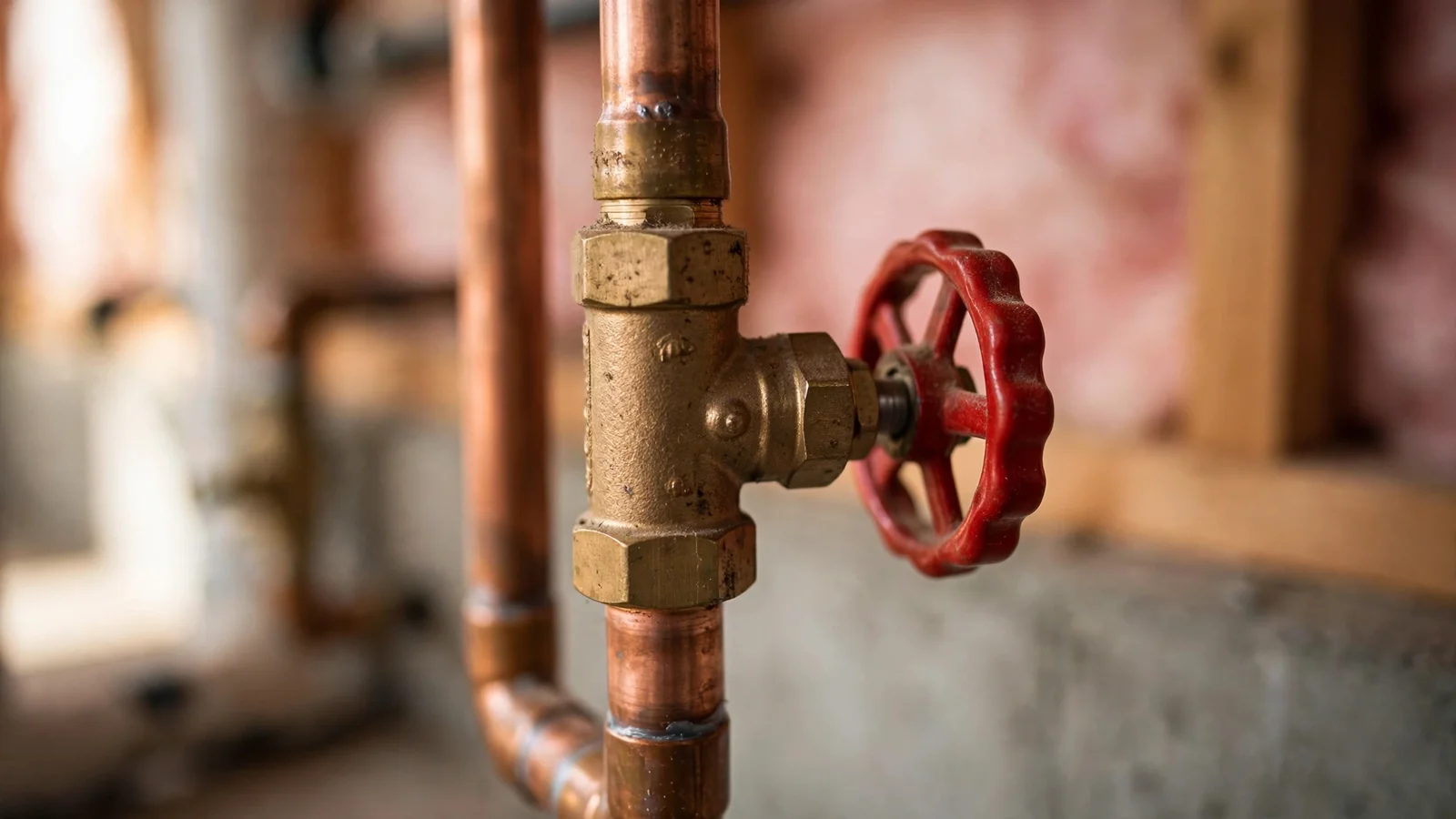
Signs your main water line is failing
- Water pressure down at every fixture in the house, not just one
- A soggy or unusually green patch of yard that never dries out
- A water meter that keeps running with every fixture off
- A hissing or running-water sound near the main shutoff
- Discolored water that clears slowly, especially after the house sits unused
- Pressure that has faded gradually over months or years
How your provider repairs a water line
1. Isolate the problem
Meter and shutoff tests separate the house plumbing from the service line. Your provider confirms which side the leak or restriction sits on before recommending any excavation — nobody digs on a guess.
2. Locate the line and the break
The underground route gets traced and the failure point pinpointed as precisely as the conditions allow, so the digging stays targeted at the damaged section rather than the whole yard.
3. Repair or replace the damaged section
The failed section comes out and is replaced with sound line. If the pipe's overall condition says the rest of the run is near the end of its life too, your provider will show you that evidence and explain the options before you decide.
4. Pressure test and restore
The line is pressurized and checked at the fixtures, then the excavation is backfilled. Your provider confirms pressure and flow throughout the house before the job is called done.
Water lines in Northglenn
Northglenn's service lines have been underground since the Eisenhower and Johnson eras in the oldest neighborhoods. Galvanized lines corrode from the inside, narrowing year by year until pressure fades and the wall finally gives out. Copper lines face pinholes and freeze stress near the frost line. Mature street trees send roots toward any joint that weeps, and Front Range soils shift enough with moisture swings to stress rigid old pipe. Local pros read these clues together — the age of the street, the tree in the front yard, the pressure history you describe — to judge whether a line needs a section repair or a fuller replacement.
Need water line repair in Northglenn?
One call connects you with a local technician. No forms.
(555) 234-5678📞 Call Now